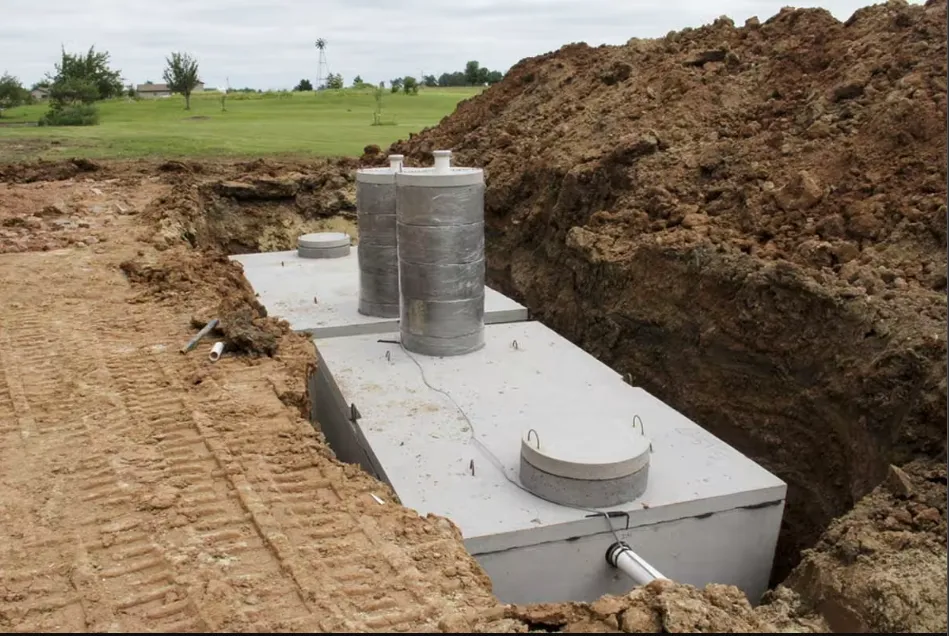
Plastic vs Concrete Septic Tanks Near Northern Klamath County, Oregon: Which One Should You Choose?
If you’re reading this, there’s a good chance you’re dealing with a big decision that doesn’t come up often… but matters more than most people expect.
Maybe you’re building a new home out in Northern Klamath County. Maybe your current septic system is failing, backing up, or just plain worn out. Or maybe you’ve been told it’s time to replace your tank, and now you’re staring at two options that sound simple… plastic or concrete… but don’t feel simple at all.
You’re probably asking yourself questions like:
Which one lasts longer?
Which one is safer for my property?
Am I going to regret choosing the cheaper option?
What happens if I choose wrong?
And underneath all of that is something most homeowners don’t say out loud… you don’t want to spend thousands of dollars only to deal with problems later.
We understand that.
At Leonardo Excavation, we work with homeowners across Deschutes and Northern Klamath Counties who are in this exact spot. They want clear answers, not sales pressure. They want to make a decision they won’t have to think about again for decades.
So let’s walk through this together in a way that actually makes sense.
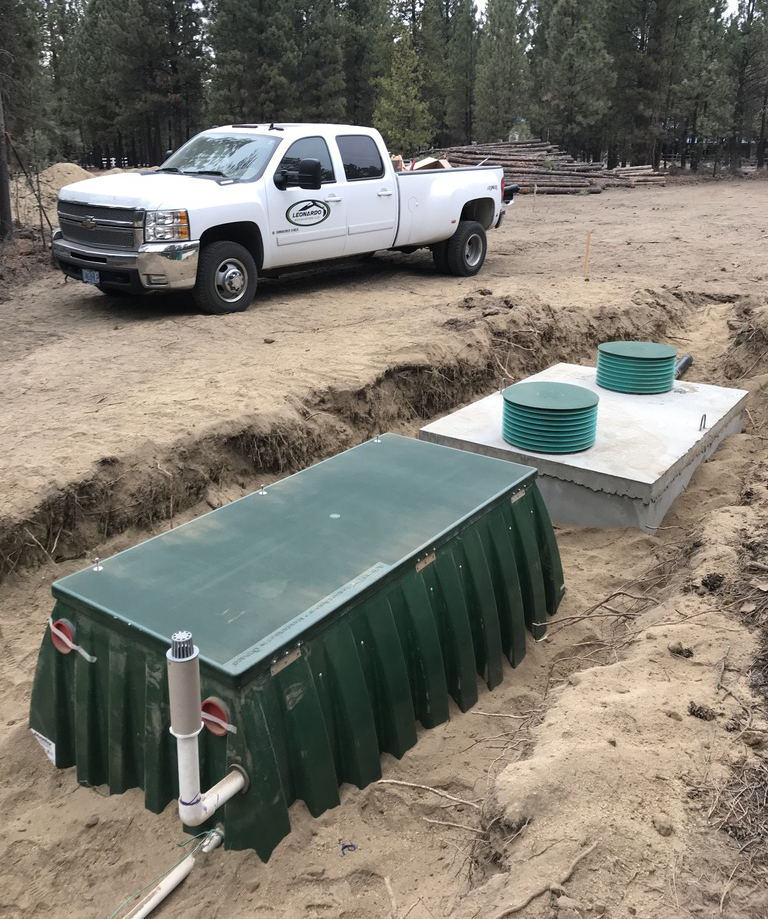
Why Your Septic Tank Choice Matters More in Northern Klamath County Than You Think
Not all grounds are the same.
Northern Klamath County has a mix of soil types. Some areas drain well. Others hold moisture. Some properties deal with freeze-thaw cycles in winter. Others sit on rocky or compacted ground.
All of that matters when choosing between plastic and concrete.
A septic tank is not just a container. It’s something buried underground, dealing with pressure from the soil, water movement, and daily use from your home. If it doesn’t match your site conditions, problems can show up faster than expected.
That’s why this decision is less about “which is better” and more about “which is right for your property.”
Understanding Septic Tanks – Plastic/Poly, Concrete, and Traditional Systems in Northern Klamath County, Oregon
Before comparing materials, it helps to understand the bigger picture.
Septic Tanks, Plastic/Poly, Concrete, and Traditional Systems near Northern Klamath County, Oregon all serve the same purpose. They collect wastewater from your home, separate solids from liquids, and allow treated water to move into your drain field.
The difference is in how the tank handles pressure, time, and the environment around it.
Plastic (poly) tanks are lightweight and flexible
Concrete tanks are heavy and rigid
Traditional systems refer more to the setup overall, not just the tank material
The tank itself is just one piece of the system, but it’s a critical one. If it fails, everything else is affected.
What Is a Plastic (Poly) Septic Tank and How Does It Work?
A plastic septic tank is made from durable polyethylene. It’s designed to be watertight and resistant to corrosion.
Because it’s lightweight, it’s easier to transport and install. In some cases, it can be set in place without heavy equipment.
Homeowners often like plastic tanks because:
They are typically lower in upfront cost
They don’t crack like concrete can
They resist rust and chemical breakdown
But that lighter weight can also be a drawback in certain conditions, which we’ll talk about shortly.
What Is a Concrete Septic Tank and Why Is It So Common?
Concrete septic tanks have been around for a long time. There’s a reason for that.
They are strong, heavy, and built to handle pressure from the surrounding soil. Once installed, they stay put.
Concrete tanks are often chosen because:
They are extremely durable
They handle heavy loads well
They are less likely to shift over time
However, they are not perfect. Concrete can crack, especially if the soil moves or if installation isn’t done correctly.
Plastic vs Concrete Septic Tanks Near Northern Klamath County: Key Differences Explained
At a glance, both options do the same job. But how they behave over time is where the difference shows up.
Plastic tanks:
Lightweight and easier to install
Less expensive upfront
Flexible under pressure
Can shift or float if groundwater is high
Concrete tanks:
Heavy and stable
Higher upfront cost
Rigid structure
Can crack if not properly supported
In Northern Klamath County, those differences matter because of the mix of soil conditions and seasonal changes.
Cost Comparison: Plastic vs Concrete Septic Tanks near Northern Klamath County, Oregon
Cost is often the first thing homeowners look at.
Plastic tanks usually cost less upfront. They are easier to move, require less labor, and install faster.
Concrete tanks cost more at the start. They require equipment to place and often more prep work.
But here’s the part many people overlook:
The real cost is not just installation. It’s what happens over the next 20 to 40 years.
If a plastic tank shifts or needs adjustment, that cost adds up. If a concrete tank cracks due to poor installation, repairs can be expensive.
So the better question is not “Which is cheaper?” but “Which is less likely to cause problems later?”
Durability and Lifespan: Which Septic Tank Lasts Longer?
Both plastic and concrete tanks can last decades when installed correctly.
Concrete tanks are often seen as the longer-lasting option because of their strength. They can handle pressure from soil and traffic better than plastic.
Plastic tanks, on the other hand, do not corrode and are resistant to many types of damage.
In real-world conditions, lifespan often comes down to:
Proper installation
Soil conditions
Drainage around the tank
Ongoing maintenance
We’ve seen both types perform well… and both fail early when those factors are ignored.
Installation Differences: What to Expect with Each Septic Tank Type
Installation is where many problems start or get avoided.
Plastic tanks are easier to place, but they require careful backfilling and anchoring. If the soil is too loose or water builds up, the tank can shift.
Concrete tanks are harder to install because of their weight, but once they are in place, they are very stable.
In Northern Klamath County, proper site prep is critical. The ground needs to be evaluated, graded, and prepared to support whichever tank is chosen.
Common Problems with Plastic and Concrete Septic Tanks (And How to Avoid Them)
No system is perfect, but most issues come down to installation and site conditions.
Plastic tank problems:
Floating or shifting in wet conditions
Improper backfill leading to deformation
Concrete tank problems:
Cracking from soil movement
Leaks if seals fail
The good news is most of these problems can be avoided with proper planning and installation.
Soil Conditions near Northern Klamath County and How They Impact Your Septic System
This is where local experience matters.
Some areas in Northern Klamath County have sandy soils that drain well. Others have heavier soils that hold water. Some properties deal with seasonal groundwater changes.
These conditions affect:
Stability of the tank
Drainage performance
Risk of shifting or cracking
A tank that works great on one property might not be the best choice for another just a few miles away.
Maintenance and Long-Term Care: What Homeowners Should Expect
Regardless of tank type, maintenance is key.
Both plastic and concrete tanks need:
Regular pumping
Inspections for damage
Monitoring of the drain field
The tank material does not replace maintenance. It just changes how the system handles stress over time.
Which Septic Tank Is Best for Rural Properties near Northern Klamath County?
Rural properties often have more space, but also more variables.
Long driveways, heavy equipment, and larger homes can all impact the system.
Concrete tanks are often preferred in areas where:
There is vehicle traffic over the tank
Soil is unstable
Long-term durability is the priority
Plastic tanks can work well where:
Access is limited
Soil conditions are stable
Cost is a bigger concern
When Plastic Makes More Sense Than Concrete (And Vice Versa)
There is no one-size-fits-all answer.
Plastic may be the better choice when:
You want lower upfront cost
The site has good drainage
Installation access is limited
Concrete may be the better choice when:
You need maximum durability
Soil conditions are challenging
Long-term stability is critical
Mistakes to Avoid When Choosing a Septic Tank near Northern Klamath County
The biggest mistake we see is choosing based on price alone.
Other common mistakes include:
Not considering soil conditions
Skipping proper site prep
Hiring someone without local experience
Assuming all tanks perform the same
These decisions can lead to repairs that cost far more than the original savings.
How to Choose the Right Septic System for Your Property and Budget
The best decision comes from understanding your property first.
That includes:
Soil type
Drainage patterns
Property layout
Future use of the land
From there, you can match the tank type to what your property actually needs.
At Leonardo Excavation, that’s where we spend most of our time… not pushing one option over another, but helping homeowners understand what fits their situation.
Final Thoughts on Plastic vs Concrete Septic Tanks Near Northern Klamath County, Oregon
If you’ve made it this far, you already know more than most homeowners do when they start this process.
Plastic and concrete septic tanks both have their place. Neither is automatically better.
The right choice depends on your land, your goals, and how you want your system to perform over time.
And if you’re like most people we talk to, you’re not just looking for a septic tank.
You’re looking for peace of mind.
