Emergency Sewer Repair Near Northern Klamath County | Fast Local Help
Emergency Sewer Repair in Northern Klamath County: Who This Guide Helps and Why It Matters
If you are reading this, something is going wrong and it is going wrong fast. Maybe a toilet is bubbling when you run the sink. Maybe you noticed wastewater coming up in the tub. Maybe there is a strong sewer smell near the crawlspace or a soft spot in the yard. You feel stressed, worried about damage, and unsure what to do first. You want a simple plan, clear steps, and a team that knows this area.
We are Leonardo Excavation. We live and work here. We understand the mix of pine roots, gravelly soils, and freeze-thaw cycles that beat up sewer lines in Deschutes and Northern Klamath Counties. This guide is written to calm things down and get you from panic to plan. You will learn what is urgent, what can wait, who to call, how repairs work, what drives cost, and how to prevent this again.
What Counts as a Sewer Emergency (and What Can Wait a Day) in Northern Klamath County
Emergency situations usually look like this:
Sewage backing up into fixtures, showers, bathtubs, or floor drains
Multiple drains clogging at once across the home
Gurgling and strong sewer odors inside
Sudden wet spots, sinkholes, or surfacing wastewater in the yard
A pipe break suspected after digging, heavy vehicle traffic, or a freeze event
Can often wait a day:
One slow drain or a single toilet clog when the rest of the home is normal
Mild odor outside near a vent stack with no backups
Intermittent slow draining that clears after basic cleaning
If in doubt, treat it as urgent until a pro confirms otherwise. Backups can create health risks and property damage.

First 10 Minutes: The Calm, Step-by-Step Plan to Stop Damage Fast
Stop using water. Do not run faucets, showers, washers, or dishwashers. Every gallon you send down adds to the problem.
Shut off water to fixtures if needed. If a toilet is overflowing, turn the valve behind it clockwise.
Protect floors. Place towels around the affected area. Keep kids and pets away.
Ventilate the space. Open a window to reduce odor and moisture.
Do not use chemicals. Harsh drain cleaners can damage pipes and harm the people doing the repair.
Call for help. Reach out to a licensed plumber or call us to coordinate the response. We regularly team up with plumbers for emergency diagnostics and excavation support.
Take photos. Quick pictures help with insurance and speed up approvals.
Safety First: Water Shut-Offs, Power Precautions, and When to Leave the House
Electricity and standing water do not mix. If wastewater is near outlets or electrical equipment, stay back.
Know your main water shut-off. This is often near the street, in a basement, or in a mechanical room. Turning it off can stop new water from entering the system if fixtures are misbehaving.
Leave the house if you smell strong sewer gas and feel dizzy or nauseous. Meet the technician outside.
Use gloves if you must handle soiled materials. Bag them and wash hands.
Call Order That Saves Time and Money: Plumber, County, Insurer, and Leonardo Excavation
Licensed plumber. They can confirm a main line backup and perform initial clearing if appropriate.
Leonardo Excavation. If the issue involves a collapsed line, offset joints, or a section that needs replacement, we step in with locates and repair options.
County or city utility if there is any chance the blockage is in the public main. They will advise who owns what.
Insurance carrier. Start the claim early. Share photos, notes, and invoices. We can provide line maps, camera footage, and repair documentation.
We are flexible. If your plumber calls us first, we jump in. If you call us first, we bring the right partners. The goal is to keep you from making ten calls and repeating your story.
Know the Signs: Backups, Slow Drains, Odors, and Ground Sinks in Deschutes & Northern Klamath
Whole-house slow drains: Kitchen, baths, and laundry all act up at once.
Gurgling fixtures: Air is trapped in the line, so plumbing “talks back.”
Sewer odor inside: Often a sign of venting issues or a failing trap, but can point to a larger problem.
Soggy strip in the yard: A narrow, wet line can mark the sewer route.
Sudden sinkhole or soft soil: Could mean a broken or separated pipe.
Why Sewer Lines Fail Here: Roots, Freeze-Thaw, Soils, and Aging Pipe Materials
Tree roots: Pine and aspen roots seek moisture. Tiny cracks become entry points.
Freeze-thaw cycles: Ground movement shifts older joints and creates offsets.
Soils and backfill: Coarse or rocky fill around a pipe can wear it down over time.
Older pipe materials: Clay and cast iron are common in older homes. They can crack, corrode, or separate at joints.
Heavy loads above the line: Parking heavy vehicles or equipment over a shallow line can crush or deform it.
Quick Diagnostics We Use On-Site: Cameras, Locates, and Pressure Tests Explained
Sewer camera inspection: A flexible camera runs through the line to find breaks, roots, offsets, and bellies. We record this so you can see the problem.
Electronic locating: We mark the exact pipe route and depth so we only open what we must.
Spot probing and potholing: Small test digs confirm conditions and prevent surprises during repair.
Flow or pressure checks: Help confirm whether the issue is inside the house or in the yard line.
The goal is simple. Find the problem fast, prove it with clear evidence, and plan a repair that fixes the cause, not just the symptom.
Repair Options Compared: Trenchless vs. Traditional Dig-and-Replace for Oregon Homes
Trenchless (when conditions allow):
Pipe bursting: We pull a new pipe through the old path and break the failed pipe outward.
Lining (CIPP): We install a resin liner inside the old pipe. It cures into a smooth, solid “pipe within a pipe.”
Pros: Minimal yard damage, faster timeline, less mess, fewer hardscape repairs.
Cons: Not ideal for severe belly sections, heavy deformation, or major sags. Lining needs a fairly stable path.
Traditional dig-and-replace:
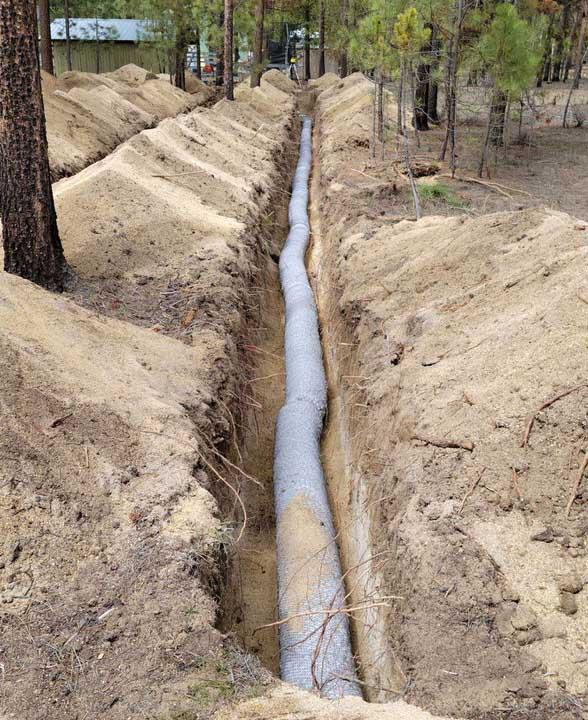
What it is: We excavate the bad section, replace it with modern pipe, compact the trench, and restore grade.
Pros: Best for collapsed sections, severe sags, or major offsets. Full access to bedding and slope.
Cons: More surface disruption and restoration work, like lawn, gravel, or concrete.
We will explain both options, show you camera footage, and help you choose the best path based on your site, soil, and budget.
Cost Factors in Northern Klamath County: What Drives Price and How to Control It
We do not like surprise bills either. Here is what drives cost and how you can manage it.
What drives price:
Length and depth of the repair. Deeper lines mean more excavation and shoring.
Access. Fences, decks, trees, and concrete add time and restoration.
Soil and groundwater. Wet or unstable soils require extra safety and compaction.
Method. Trenchless can reduce restoration, while open-cut can be required for severe damage.
Permits and inspections. Local rules and timelines affect labor.
How to control it:
Get a clear scope. Use camera footage and locate maps.
Ask for options. A staged approach can spread costs if needed.
Plan restoration wisely. Decide where you want us to restore and where you will DIY to save.
Prevent repeats. Fix the cause so you do not pay twice.
Permits, Utility Locates, and Local Rules: How Oregon Requirements Affect Your Timeline
Utility locates: Before digging, we request utility locates. In Oregon, calling 811 triggers a locate request. This protects gas, power, and communications lines.
Permits: Some cities and counties need permits for sewer work, especially in the right-of-way. We handle the paperwork and schedule inspections when our scope requires it.
Inspections: Inspectors confirm slope, bedding, materials, and connections. We plan repairs to pass the first time.
Permits and locates add structure and safety. They also add timing. We keep you updated at each step.
Working With Insurance and Emergency Financing: How to Document and Get Help
Start the claim early. Give your carrier photos, dates, and a short description.
Keep receipts. Cleaning, drying, and temporary housing may be covered depending on your policy.
Let us document. We provide line maps, camera video, locate marks, and a written repair plan.
Ask about financing. If you need flexible payment options, tell us. We can walk you through choices that fit your situation.
Insurance rules vary. We focus on clean documentation so your claim has what it needs.
Our Stress-Free Process at Leonardo Excavation: From First Call to Clean-Up
Listen and stabilize. We hear your story, guide you through the first ten minutes, and stop new damage.
Diagnose and show. Camera, locate, and a clear explanation in plain language.
Options and estimate. You see methods, timelines, and restoration choices. No fluff.
Permits and locates. We handle the steps required for safe, legal work.
Repair day. Crews arrive on time, protect the site, complete the repair, and test the line.
Restore and clean. Backfill, compaction, rough grade, and agreed surface repairs.
Final walkthrough. You see the result, get documentation, and know how to prevent a repeat.
You should not have to manage six vendors. We coordinate so you do not have to.
How to Prevent the Next Emergency: Simple Maintenance and Seasonal Checks
Watch what goes down. No wipes, grease, or bulky food scraps.
Root management. Keep thirsty trees away from the sewer path. Ask about root barriers if needed.
Annual check. A simple camera check can catch small problems early.
After big freezes or construction. If grading changed or you had winter ground heave, consider a quick line check.
Know your cleanout. Make sure your exterior cleanout is visible and capped.
Homeowner Checklist: Exactly What to Do (and Not Do) During a Sewer Crisis
Do:
Stop water use
Shut off overflowing fixtures
Ventilate and keep kids and pets clear
Call a plumber and Leonardo Excavation
Take photos and start your insurance claim
Ask for a camera inspection and clear map
Do Not:
Pour chemicals into the line
Keep using sinks, showers, or washers
Step into wastewater near electrical sources
Dig randomly in the yard
Guess at the repair without a camera
FAQ: Fast Answers About Emergency Sewer Repairs in Northern Klamath County
How fast can work start?
It depends on access, permits, and utility locates. True emergencies are prioritized. We explain timing right away so you know what to expect.
Will trenchless work for my home?
Sometimes yes. If the pipe is not badly collapsed and the path is stable, trenchless is a great choice. We confirm with a camera and locate first.
What pipe material do you use for replacements?
We use modern code-approved materials sized for your line, with proper bedding and slope. We pick what fits your site and local rules.
Can I prevent roots from coming back?
Yes. Choose the right pipe, seal joints, manage tree distance, and schedule periodic checks if you have aggressive root growth nearby.
What about restoration of lawns or driveways?
We agree on the level of restoration before work starts. Some homeowners prefer full restoration by our crew. Others take on final landscaping to save.
Do you coordinate with my plumber?
Yes. We often work as a team on emergencies. That is part of keeping things stress-free.
A sewer emergency is scary. You just want it to stop and not come back. With a calm plan, clear diagnostics, and the right repair method, it can be fixed faster than you think. At Leonardo Excavation, we focus on clear steps, clean work, and options that match your home and budget. When you are ready, we are here to help Deschutes and Northern Klamath families get back to normal.
Need help right now?
Call Leonardo Excavation to stabilize the situation, run a quick camera inspection, and map a repair plan that fits your property.
